
In Manhattan and Queens, understanding cyclists' rights and responsibilities as per NYC and Queens laws is crucial for preventing workplace injuries. Cyclists have equal road standing but also distinct rights, such as traveling with traffic and full lane space for safety. Adhering to traffic rules and using bike lanes minimizes conflicts. With heavy traffic, crowded conditions, and inadequate safety measures, workplace injuries are prevalent among cyclists and manual labor workers. Queens' cycling network requires strict adherence to road safety regulations to protect both cyclists and drivers. Legal protections for cyclists reflect a commitment to their safety. Proactive measures like protective gear and best practices by employers, including clear bike lane markings and training programs, enhance safety and reduce workplace injuries in New York City Queens.
In Manhattan, understanding cyclist right of way rules is crucial for both cyclists and motorists alike. This guide explores the legal protections and common challenges facing cyclists in New York City, with a special focus on Queens, known as a haven for cycling. We delve into workplace injuries among cyclists, analyzing causes and preventive measures. Additionally, we present case studies showcasing successful claims and their impact, offering valuable insights for navigating the complexities of cyclist safety in NYC, including concerns specific to Queens.
- Understanding Cyclist Right of Way Rules in Manhattan
- Common Causes of Workplace Injuries in New York City
- Queens: A Cycling Haven and Its Challenges
- Legal Protections for Cyclists in New York State
- Preventing Workplace Injuries Among Cyclists
- Case Studies: Successful Claims and Their Impact
Understanding Cyclist Right of Way Rules in Manhattan

In Manhattan, understanding cyclist right of way rules is crucial for both cyclists and drivers to prevent workplace injuries in New York City or Queens. Cyclists have the same rights and responsibilities as motorists, meaning they must obey traffic signals and signs, and use bike lanes when available. However, they also have specific rights, such as the right to travel in the same direction as traffic, and the right to occupy the full lane when necessary to be seen, make turns, or avoid hazards.
Knowing these rules can help reduce conflicts at intersections and on shared roads. Cyclists should signal their intentions clearly, while drivers need to be extra vigilant for cyclists, especially when making turns or opening car doors. By adhering to these guidelines, everyone can contribute to safer streets, minimizing the risk of accidents and workplace injuries in New York City’s diverse boroughs, including Queens.
Common Causes of Workplace Injuries in New York City

In New York City, including Queens, workplace injuries are a prevalent concern, often stemming from various factors unique to the bustling urban environment. One of the primary causes is the heavy traffic and crowded conditions, especially in areas with high pedestrian and vehicle intersections. Cyclists, as a growing segment of the city’s transportation network, face their own set of risks, particularly when sharing roads with larger vehicles and rushed commuters. Inadequate safety measures, such as poorly designed bike lanes or a lack of proper signage, contribute to these accidents.
Additionally, workplace injuries in NYC can result from overexertion and repetitive motions, common among workers in fast-paced industries. The dynamic nature of the city’s workforce, with its diverse occupations and often demanding schedules, increases the chances of on-the-job accidents. In construction sites and other manual labor settings, falling objects, unstable surfaces, and heavy machinery pose significant hazards. Furthermore, the constant exposure to air pollution and noise can lead to long-term health issues, adding another layer of concern for workers’ safety in this fast-paced metropolis.
Queens: A Cycling Haven and Its Challenges
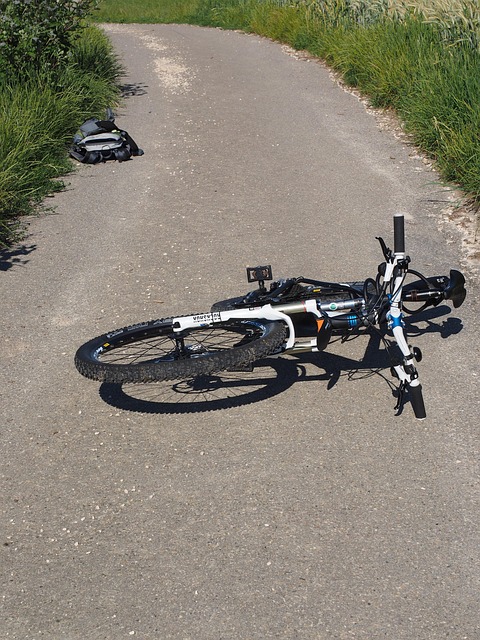
Queens, a vibrant and diverse borough of New York City, has emerged as a cycling haven for both residents and visitors alike. The area boasts an extensive network of bike paths and lanes, making it easier than ever to navigate the island on two wheels. This shift towards cycling has brought numerous benefits, including improved air quality, reduced traffic congestion, and enhanced public health. However, as the popularity of cycling in Queens grows, so do the challenges. One notable concern is the potential increase in workplace injuries among cyclists who commute through busy streets and intersections. With a dense population and high volume of vehicle traffic, Queens requires heightened awareness and strict adherence to road safety regulations to ensure both cyclists and motorists stay safe.
Legal Protections for Cyclists in New York State

In New York State, cyclists are afforded legal protections on the roads, including in Manhattan and across Queens. The state’s laws prioritize the safety of cyclists, recognizing their vulnerability as a mode of transportation. Cyclists have the same rights and responsibilities as motor vehicle drivers, meaning they must follow traffic signals, lane markings, and other road regulations. However, unlike motorists, cyclists are not protected by the vehicle’s structure in the event of a collision, making workplace injuries for cyclists in New York City particularly concerning.
This is why it’s crucial for both cyclists and drivers to be extra vigilant when sharing the roads. Cyclists should wear appropriate safety gear, including helmets, reflective clothing, and lights, to increase their visibility and reduce the risk of accidents. Motorists are encouraged to share the road mindfully, allowing adequate space for cyclists, predicting their movements, and respecting their right of way at intersections and in bike lanes. By understanding these legal protections and taking proactive safety measures, both cyclists and drivers can help ensure safer streets for everyone, minimizing workplace injuries and other potential hazards in urban areas like New York City and Queens.
Preventing Workplace Injuries Among Cyclists
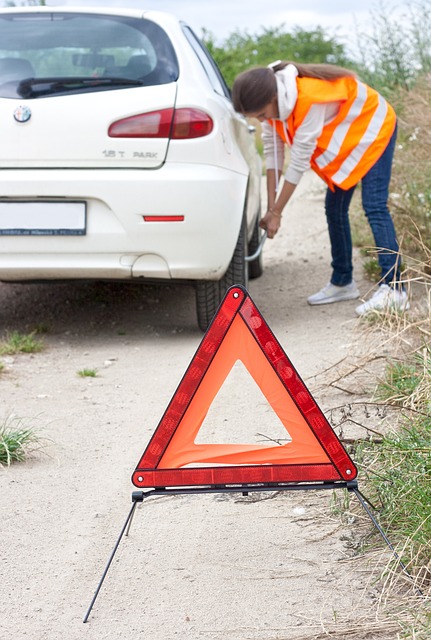
In Manhattan, cyclists navigating the bustling streets must be vigilant to prevent workplace injuries, especially given the high density of traffic and foot traffic. Understanding the local laws and regulations is paramount; New York City has specific rules regarding cyclist rights and responsibilities, which are designed to enhance safety and reduce accidents. Cyclists should also invest in protective gear, such as helmets and reflective clothing, to mitigate risks associated with workplace injuries in New York City Queens.
Employers play a crucial role in fostering safer cycling environments by implementing best practices. This includes providing clear bike lane markings, ensuring proper lighting, and offering training programs for employees who commute by bike. Additionally, regular maintenance of bicycle facilities and promoting a culture of safety can significantly reduce the likelihood of workplace injuries among cyclists in urban settings like Manhattan and Queens.
Case Studies: Successful Claims and Their Impact

In Manhattan, understanding the cyclist’s right of way is crucial for both cyclists and motorists alike to prevent accidents and reduce Workplace Injuries in New York City Queens. Case studies of successful claims highlight the importance of adhering to traffic laws and sharing the road responsibly. For instance, a recent claim involved a cyclist who was struck by a turning vehicle at an intersection. The cyclist had the right of way but suffered severe injuries due to the driver’s failure to yield. This case resulted in a substantial settlement, not only compensating the cyclist for medical expenses but also raising awareness about the need for better road signage and driver education.
Another notable claim focused on a cyclist who was run off the road by an aggressive driver. The impact caused significant damage to the cyclist’s bike and led to whiplash injuries. The successful legal outcome not only provided financial relief for the victim but also brought attention to the growing problem of road rage in urban areas. These cases demonstrate how understanding and respecting cycling rights can lead to safer streets, reducing the risk of accidents and minimizing the number of Workplace Injuries in New York City Queens.
Cyclists navigating Manhattan’s bustling streets face unique challenges, including understanding right-of-way rules and preventing workplace injuries. While New York State offers legal protections for cyclists, incidents can still occur, especially in areas like Queens, known as a cycling haven but also presenting its own set of obstacles. By learning from case studies and implementing preventive measures, cyclists and employers alike can minimize the risk of workplace injuries, ensuring a safer environment for all road users in New York City. Additionally, being aware of local regulations, such as those regarding right-of-way, is paramount to fostering a harmonious relationship between cyclists, motorists, and pedestrians across the city, with a particular focus on Queens.